

World Osteoporosis Day: Building Stronger Bones for Life
Most of us never think about our bones until something goes wrong. A missed step on the stairs, a small fall in the bathroom, or a hip that suddenly aches after lifting a grocery bag, these everyday moments are often the first sign of a condition that has been building quietly for years: osteoporosis.
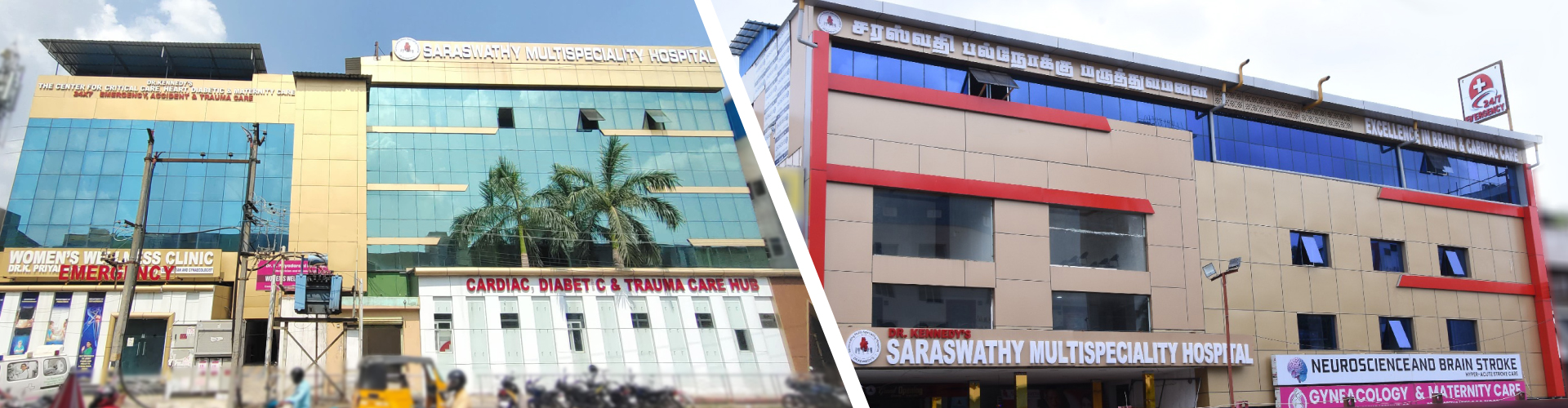
Every year on 20 October, the world observes World Osteoporosis Day to remind families everywhere that bone health deserves the same attention as heart health or diabetes care. At Dr. Kennedy's Saraswathy Multispeciality Hospital, recognised as one of the best hospitals in Madipakkam for bone and joint care, we see this every week: patients who are surprised to learn that their bones have been weakening silently, sometimes for a decade, before the first fracture finally brings them to a doctor.
Why World Osteoporosis Day Matters
World Osteoporosis Day was started in 1996 by the International Osteoporosis Foundation, and it has grown into a global movement observed in over 90 countries. The day exists for a simple reason: osteoporosis causes a fracture somewhere in the world every three seconds, yet most people only discover they have it after that fracture has already happened.
This year's global message is built around three words that we repeat to every patient who walks into our orthopaedic OPD: Build, Protect, Strengthen. Build strong bones early in life, protect the bone density you already have, and strengthen your skeleton against the natural thinning that comes with age. The campaign is a call to catch the warning signs early, long before a fracture forces the issue.
What Exactly is Osteoporosis?
Osteoporosis literally means "porous bone." Healthy bone looks like a tightly packed honeycomb under a microscope. In osteoporosis, the holes in that honeycomb grow larger and the structure around them grows thinner, so the bone loses density and strength even though it still looks the same size from the outside.
Bone is living tissue. Throughout life, old bone is broken down and new bone is built in its place. Up to around the age of 30, the body builds bone faster than it breaks it down. After that, the balance slowly tips the other way, and bone loss gradually outpaces bone formation. For some people, especially women after menopause and adults with certain risk factors, this loss speeds up dramatically, and that is when osteoporosis develops.
Early Osteoporosis Symptoms You Should Never Ignore
Because bone loss happens gradually, most people do not feel anything until the disease is already advanced. Still, there are quiet warning signs worth watching for:
- Back pain that comes on suddenly, especially after bending, lifting or coughing, which can signal a tiny spinal compression fracture
- A gradual loss of height over the years
- A stooped or hunched posture, sometimes called a "dowager's hump"
- Brittle nails and receding gums, which can sometimes reflect weaker bone density
- A bone that fractures after a fall that would normally cause only a bruise, such as a wrist fracture from a simple trip
- Reduced grip strength, which some studies link to lower bone density
If any of these sound familiar, especially after the age of 50, it is worth asking your doctor about a bone density test rather than waiting for a fracture to confirm the diagnosis.
Who is Most at Risk?
Osteoporosis is often thought of as a disease that only affects elderly women, but the real picture is broader than that. Understanding your own risk factors is the first step toward prevention.
Risk factors you cannot change
- Age: Bone density naturally declines after 30, and the risk rises sharply after 50.
- Gender: Women are at higher risk, particularly after menopause, when falling oestrogen levels speed up bone loss.
- Family history: A parent or sibling with osteoporosis or a hip fracture raises your own risk.
- Body frame: People with a smaller, thinner body frame tend to have less bone mass to draw on as they age.
- Ethnicity: Some population groups carry a naturally higher risk of low bone density.
Risk factors you can manage
- Low calcium and vitamin D intake over the years
- A sedentary lifestyle with little weight-bearing exercise
- Smoking and regular alcohol consumption
- Long-term use of steroid medicines
- Thyroid, kidney or digestive disorders that affect calcium absorption
- Very low body weight or a history of eating disorders
The encouraging part is that the second list is almost entirely within your control. Small, consistent changes to diet, movement and lifestyle can meaningfully slow bone loss at any age.
How is Osteoporosis Diagnosed?
You cannot feel your bones getting weaker, which is exactly why screening matters so much. The gold-standard test is a bone density test, known medically as a DEXA scan (dual-energy X-ray absorptiometry). It is quick, painless and uses a very low dose of radiation to measure the mineral density in your spine and hip.
- Clinical assessment: Your doctor reviews your age, family history, lifestyle and any previous fractures.
- Bone density test (DEXA scan): Measures bone mineral density and compares it to that of a healthy young adult, giving what is known as a T-score.
- Blood tests: Check calcium, vitamin D, thyroid function and other markers that influence bone health.
- X-rays: Used if a fracture or spinal compression is suspected.
- FRAX score: A fracture-risk calculator that estimates your 10-year probability of a major fracture.
Doctors generally recommend a bone density test for all women aged 65 and above, for men aged 70 and above, and earlier for anyone with risk factors such as early menopause, long-term steroid use or a family history of fractures.
Treatment Options for Osteoporosis
An osteoporosis diagnosis is not a life sentence of fragility. With the right treatment plan, most patients continue to live active, independent lives. Treatment is usually built around a combination of approaches:
- Calcium and vitamin D supplementation to support ongoing bone formation
- Bone-strengthening medicines such as bisphosphonates, which slow down bone loss and reduce fracture risk
- Hormone-related therapy in selected postmenopausal women, under close medical supervision
- Physiotherapy and balance training to improve strength, posture and coordination, which lowers fall risk
- Fracture management and joint care for patients who have already experienced a fracture, including advanced options where needed
- Regular monitoring with follow-up bone density tests to track how well treatment is working
At our orthopaedic department, treatment plans are tailored to each patient's bone density results, age, lifestyle and other health conditions, rather than following a one-size-fits-all approach.
Calcium-Rich Foods and Everyday Habits for Stronger Bones
Prevention starts at the dining table. Building and protecting bone density is possible at any age, and it begins with a handful of daily habits.
Eat calcium-rich foods every day
- Milk, curd, buttermilk and paneer
- Ragi (finger millet), a traditional South Indian staple that is naturally rich in calcium
- Sesame seeds and til-based sweets
- Leafy greens such as spinach, drumstick leaves and fenugreek leaves
- Almonds and other nuts
- Fortified foods and small fish eaten with bones, such as sardines
Don't forget vitamin D
Calcium alone is not enough; the body needs vitamin D to absorb it properly. A simple 15 to 20 minutes of morning sunlight most days, along with foods like egg yolks and fortified milk, goes a long way.
Move your body with weight-bearing exercise
Walking, climbing stairs, dancing and light strength training all stimulate bone to stay dense. Aim for at least 30 minutes most days of the week, combined with balance exercises such as yoga or tai chi to reduce fall risk.
Cut back on the habits that drain bone density
Excess salt, caffeine, smoking and alcohol all interfere with calcium balance in the body over time. Moderation here protects your bones as much as it protects your heart.
Preventing Falls at Home
For someone with low bone density, a fall is far more dangerous than it would otherwise be. Small changes around the house make a real difference:
- Keep floors dry, clutter-free and well lit, especially staircases and bathrooms
- Use non-slip mats in the bathroom and grab bars near the toilet and shower
- Wear supportive, well-fitted footwear instead of loose slippers
- Have vision checked regularly, since poor eyesight is a common cause of falls
- Keep frequently used items within easy reach to avoid climbing on stools or chairs
When Should You See an Orthopaedic Doctor?
Consult an orthopaedic specialist if you notice:
- Persistent back pain, especially after a minor strain
- A fracture after a fall that seems too minor to explain it
- Noticeable loss of height or a change in posture
- Early menopause, long-term steroid use, or a strong family history of fractures
- You are above 50 and have never had a bone density test
Frequently Asked Questions About Osteoporosis
Is osteoporosis only a women's disease?
No. Osteoporosis is more common in women, largely because of the rapid bone loss that follows menopause, but men develop it too, particularly after the age of 70 or with risk factors such as low testosterone, steroid use or a sedentary lifestyle. Roughly one in five men over 50 will experience an osteoporosis-related fracture in their lifetime.
At what age should I get a bone density test?
Guidelines generally recommend a bone density test for all women from age 65 and men from age 70. If you have risk factors such as early menopause, a family history of fractures, or long-term steroid medication, your doctor may recommend testing much earlier, even in your 40s.
Can osteoporosis be reversed once it is diagnosed?
Osteoporosis cannot always be fully reversed, but it can absolutely be managed and slowed. With the right combination of medication, calcium and vitamin D, exercise and fall prevention, many patients significantly reduce their fracture risk and maintain an active, independent lifestyle for years.
Does drinking milk alone prevent osteoporosis?
Milk is a good source of calcium, but bone health depends on several factors working together, including vitamin D levels, weight-bearing exercise, hormone balance and avoiding habits like smoking. Relying on milk alone is not enough to prevent osteoporosis.
Is osteoporosis the same as arthritis?
No, though people often confuse the two. Osteoporosis affects bone density and makes bones fragile and prone to fracture, while arthritis affects the joints and causes inflammation, pain and stiffness. A person can have one, the other, or both at the same time.
Can young adults get osteoporosis?
It is less common, but it can happen, especially in young people with hormonal disorders, eating disorders, long-term steroid use, or certain chronic illnesses. Building strong bone density in your 20s and 30s is one of the best investments you can make for your bones later in life.
Trusted Bone and Joint Care at Dr. Kennedy's Saraswathy Multispeciality Hospital
If you are searching for the best orthopaedic care in Madipakkam, our orthopaedic team offers bone density screening, fracture management and personalised osteoporosis treatment plans for every age group. As one of the best hospitals in Madipakkam, we combine experienced specialists with modern diagnostic facilities to help you protect your bones for life.
Location: Madipakkam / Medavakkam Main Road / Tambaram
Call: 044-2224 2525 / 99404 99142
This article is for general awareness and does not replace medical advice. Please consult a qualified doctor for diagnosis, screening and treatment suited to your individual health.