

World Elders Day: What Healthy Ageing Actually Looks Like
Every 1st of October, the world observes World Elders Day, also known as the International Day of Older Persons, to honour the elderly and remind families and communities of their role in supporting them.
But beyond the greetings and the tributes, there's a simpler question worth asking: are the senior citizens in your own home getting the checkups, the movement, and the everyday care they actually need? For most families, that's the part that quietly slips through the cracks.
Why World Elders Day Matters More Than Ever
India's elderly population is growing faster than most people realise. Life expectancy has climbed steadily over the decades, joint families have given way to nuclear ones, and a large number of senior citizens today live alone or with a spouse while their children work in another city altogether.
World Elders Day exists to put a spotlight on that shift, not just to celebrate old age but to talk plainly about loneliness, mobility, chronic illness and the healthcare gaps that come with growing older. For a hospital, this day is less about a banner and more about a reminder: senior citizen health needs regular attention, not just attention during a crisis.
Common Health Issues in Elderly Adults
Ageing changes the body in ways that are gradual, which is exactly why they're easy to miss until a small issue becomes a big one. The most common problems doctors see in senior citizens include:
- Joint pain and arthritis that slowly limits walking and daily movement
- High blood pressure and heart disease, often with no obvious symptoms in the early stages
- Diabetes and the complications it brings to eyes, kidneys and nerves over time
- Vision and hearing loss, which quietly increases the risk of falls and isolation
- Osteoporosis and weakened bones, making fractures far more likely after a fall
- Memory and cognitive decline, ranging from mild forgetfulness to more serious conditions
- Depression and loneliness, which are under-discussed but extremely common in older adults living alone
- Digestive and appetite changes that can lead to poor nutrition if left unaddressed
Essential Health Checkups Every Senior Citizen Needs
A yearly health checkup is one of the simplest things a family can do for an elderly parent, and one of the most overlooked. Here's what should typically be on that list:
| Checkup | Why it matters |
|---|---|
| Blood pressure & heart screening | Catches hypertension and cardiac risk before symptoms appear |
| Blood sugar test | Detects diabetes or pre-diabetes early |
| Bone density scan | Flags osteoporosis before a fall causes a fracture |
| Eye & hearing check | Reduces fall risk and keeps seniors socially engaged |
| Kidney & liver function tests | Tracks organ health, especially with long-term medication use |
| Cognitive screening | Picks up early memory or thinking changes |
| Cancer screenings | Age-appropriate checks based on gender and family history |
Healthy Ageing Tips: What Really Helps
Body
- Walk daily, even if it's just around the house or terrace
- Eat protein-rich, fibre-rich meals with less salt and sugar
- Stay hydrated; thirst signals weaken with age
- Take medicines on schedule, and review them with a doctor yearly
- Sleep 7 to 8 hours, and treat ongoing sleep trouble as worth checking
Mind & connection
- Keep the brain active with reading, puzzles or conversation
- Encourage a hobby or a small daily routine to look forward to
- Make time for regular calls or visits, not just festivals
- Involve them in family decisions instead of talking over them
- Watch for withdrawal, low mood or loss of interest, and take it seriously
Fall Prevention: A Small Step Families Often Skip
Falls are one of the leading causes of hospitalisation among the elderly, and most happen at home, not outside it. A few simple changes make a real difference:
- Non-slip mats in the bathroom and near the bed
- Good lighting in hallways and staircases, with switches at both ends
- Grab bars near the toilet and shower
- Removing loose wires, rugs or clutter from walking paths
- Proper footwear indoors instead of loose slippers
Caring for Elderly Parents: A Note for Families
A lot of elder care conversations focus on medicine, and not enough on presence. Many senior citizens don't need round-the-clock supervision; they need someone checking in, someone to eat a meal with, someone who notices when something feels off.
If you live in another city, a phone call that actually asks "how are you feeling" rather than "how are you" goes further than it seems. If you live nearby, a shared walk or a weekend visit does more for an elderly parent's health than most people realise. And if caregiving has started to feel like too much to manage alone, that's exactly the point at which a doctor, a home care service or a support group should come in, not a last resort.
When Should You Take an Elderly Parent to a Doctor?
Don't wait for an emergency. Book a consultation if you notice:
- Unexplained weight loss or loss of appetite
- A fall, even a minor one, or repeated near-falls
- Increasing confusion, forgetfulness or mood changes
- Breathlessness, chest discomfort or swelling in the legs
- Difficulty with daily tasks that used to be easy
- Persistent pain, fatigue or sleep disturbance
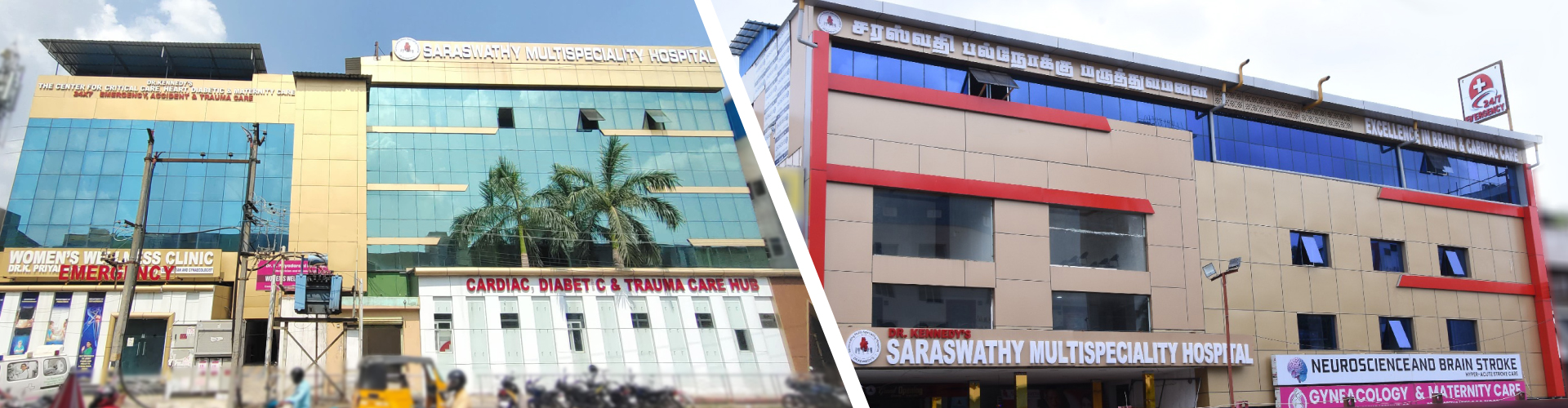
Elderly Care & Senior Health Checkups at Dr. Kennedy's Saraswathy Multispeciality Hospital
This World Elders Day, give the senior citizens in your family more than good wishes. Our team offers comprehensive geriatric checkups, chronic disease management and caregiver guidance for elderly patients across our Chennai branches.
Location: Madipakkam / Medavakkam Main Road / Tambaram
Call: 044-22242525 / 99404 99142