


World Breastfeeding Week 2026: Building a Sustainable Start for Every Mother and Baby
August 1–7, 2026 | Saraswathy Multispeciality Hospital, Chennai
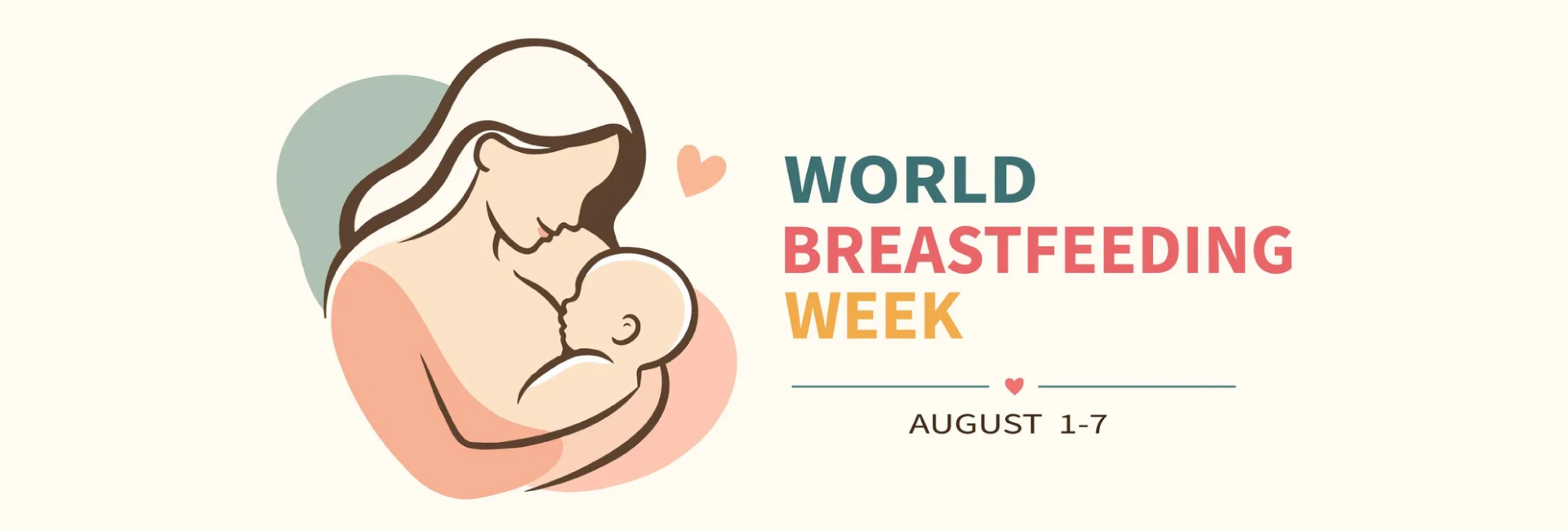
Every year, from August 1 to 7, the world observes World Breastfeeding Week — a global campaign led by the World Alliance for Breastfeeding Action (WABA), supported by WHO and UNICEF, and marked in over 170 countries. This year's theme, "Breastfeeding for a Sustainable Start in Life: Strengthen What Works," is a reminder that breastfeeding isn't just a personal choice — it's a foundation for a child's lifelong health, and it thrives when mothers have the right support around them.
At Saraswathy Multispeciality Hospital, our Obstetrics and Gynecology team walks with every mother through this journey — from the first latch in the delivery room to guidance on managing common breastfeeding challenges in the weeks that follow.
Why This Week Matters
Every year, breastfeeding saves lives. It's not just a feeding method — it's a foundation. The World Health Organization recommends exclusive breastfeeding for the first six months of a baby's life, and yet, many new mothers feel unsure, unsupported, or overwhelmed when they begin this journey. World Breastfeeding Week exists to change that — to inform, to support, and to normalize conversations that every mother deserves to have without hesitation or judgment.
Why Breastfeeding Matters
For the baby:- Provides complete nutrition — the right balance of protein, fat, vitamins, and antibodies for the first six months of life
- Strengthens immunity and lowers the risk of respiratory and stomach infections
- Supports healthy brain development and bonding
- Reduces long-term risk of obesity, diabetes, and allergies
- Helps the uterus recover faster after delivery
- Lowers the risk of breast and ovarian cancer later in life
- Supports emotional bonding and reduces postpartum stress
- Naturally convenient, hygienic, and free of cost
The World Health Organization recommends exclusive breastfeeding for the first six months, followed by breastfeeding alongside complementary foods for up to two years or beyond.
Common Breastfeeding Challenges — And When to Seek Help
Breastfeeding is natural, but it isn't always easy, especially in the first few weeks. Some of the most common concerns new mothers bring to our OB-GYN team include:
Engorgement: Breasts feel full, tight, and tender as milk supply increases, usually within the first few days after delivery. Frequent feeding or pumping every 3–4 hours usually brings relief.
Mastitis — an important condition to recognise: Mastitis is inflammation of the breast tissue, and it's one of the more common complications mothers face in the early months of breastfeeding. Here's what every nursing mother should know:
- What causes it: Usually a blocked milk duct from infrequent feeding or incomplete emptying of the breast, or bacteria entering through a cracked nipple.
- Symptoms to watch for: Breast pain, swelling, redness, and warmth in one breast — sometimes along with fever, chills, and body ache similar to flu.
- What helps: Continuing to breastfeed or pump regularly (this does not harm the baby), warm compresses before feeding, cold compresses after, and adequate rest and fluids.
- When to see a doctor: If symptoms don't improve within 24–48 hours, if fever persists, or if you notice a hard, painful lump — untreated mastitis can progress to a breast abscess and needs prompt medical attention.
Mothers should never feel they need to stop breastfeeding because of mastitis. With the right care, most cases resolve quickly and breastfeeding can continue safely.
Tips for a Smoother Breastfeeding Journey
- Start early — Skin-to-skin contact within the first hour of birth helps initiate breastfeeding naturally.
- Watch for hunger cues — Rooting, lip-smacking, and hand-to-mouth movements often come before crying.
- Get the latch right — A good latch prevents soreness and ensures your baby is feeding effectively.
- Stay hydrated and nourished — Your body is doing incredible work; fuel it well.
- Don't hesitate to ask for help — Lactation consultants and pediatricians are there for exactly these moments.
- Involve your support system — Partners and family play a huge role in helping mothers rest, recover, and feed comfortably.
When to Reach Out for Support
If you're experiencing painful feeding, low milk supply concerns, engorgement, or your baby isn't gaining weight as expected — these are not things to manage alone. Early intervention makes a significant difference in both maternal comfort and infant health.
At Saraswathy Multispeciality Hospital, Madipakkam, our team of obstetricians, pediatricians, and lactation support staff work together to guide you through every stage — from delivery to those first uncertain weeks of motherhood.
We believe breastfeeding support shouldn't end at the hospital door. That's why our postnatal care is designed to stay with you — through follow-up consultations, newborn check-ups, and a team that's just a call away when you need reassurance.Frequently Asked Questions (FAQs) Every Mother Searches For
1. How do I know if my baby is getting enough breast milk?
Track wet diapers (6+ per day after day 5), steady weight gain, and contentment after feeds. Your pediatrician will also monitor growth at every check-up.
2. How often should a newborn breastfeed?
Newborns typically feed 8–12 times in 24 hours — roughly every 2–3 hours, including at night.
3. Why does breastfeeding hurt, and is that normal?
Some initial tenderness is common, but ongoing pain usually signals a latch issue. Persistent pain should never be "pushed through" — consult a lactation expert.
4. Can I breastfeed if I have flat or inverted nipples?
Yes. With the right latch techniques and support, most mothers with flat or inverted nipples breastfeed successfully.
5. How long should I breastfeed exclusively?
WHO recommends exclusive breastfeeding for the first 6 months, followed by breastfeeding alongside solids for up to 2 years or beyond.
6. What foods should I eat — or avoid — while breastfeeding?
Focus on a balanced diet with adequate protein, iron, and hydration. Limit excessive caffeine and alcohol; most other foods are safe unless your baby shows sensitivity.
7. Can stress or lack of sleep affect my milk supply?
Yes, high stress and exhaustion can temporarily impact let-down and supply. Rest, hydration, and support systems help maintain a steady flow.
8. Is it normal for my milk supply to fluctuate?
Absolutely. Growth spurts, stress, illness, or hormonal changes can cause temporary dips — feeding frequency usually restores supply within days.
9. Can I breastfeed after a C-section?
Yes. It may take slightly longer to initiate due to recovery, but breastfeeding after a C-section is completely safe and encouraged as soon as you're able.
10. When should I see a doctor about breastfeeding difficulties?
If you experience persistent pain, cracked or bleeding nipples, signs of mastitis (fever, redness, swelling), or your baby isn't gaining weight — reach out to your doctor or lactation consultant promptly.
A Message to Every New Mother
However your breastfeeding journey looks — exclusive, combination-fed, or with challenges along the way — know this: you are doing an extraordinary job. There is no single "right way" to nourish your baby, only what works best for you and your little one, guided by good medical support.
This World Breastfeeding Week, let's replace pressure with patience, and silence with support.
Need Guidance on Your Breastfeeding Journey?
Our maternity and pediatric care team at Saraswathy Multispeciality Hospital, Madipakkam is here to support you — before, during, and after delivery.
Because every feed is a step towards a healthier tomorrow.