

Why Your Liver Cares So Much About What You Eat
Here's something most people never think about: every single thing you eat or drink passes through your liver before it reaches the rest of your body. It's your body's processing plant — filtering toxins, metabolizing fat, regulating blood sugar, and producing the proteins that keep your blood clotting normally.
Which means your liver doesn't just react to alcohol or medication — it reacts to your everyday diet, meal after meal, year after year. And unlike your stomach, which tells you when something's wrong almost immediately, your liver stays quiet. It can be under real stress for years before you feel anything at all.
That's exactly why diet matters so much here — not as a vague "eat healthy" suggestion, but as one of the most direct levers you have over your liver's actual condition.
The Silent Problem: How Diet Quietly Damages the Liver
Fatty liver disease — where fat builds up inside liver cells — has quietly become one of the most common liver conditions in India today. And here's the part that surprises most people: it's rarely about alcohol anymore. In most cases, it's driven by excess sugar, refined carbohydrates, and ultra-processed food, consumed consistently over time.
The tricky part is that this process is completely painless in its early stages. There's no warning twinge, no discomfort — just a slow accumulation that often gets discovered by accident, during a routine scan for something unrelated.
Foods That Support a Healthy Liver
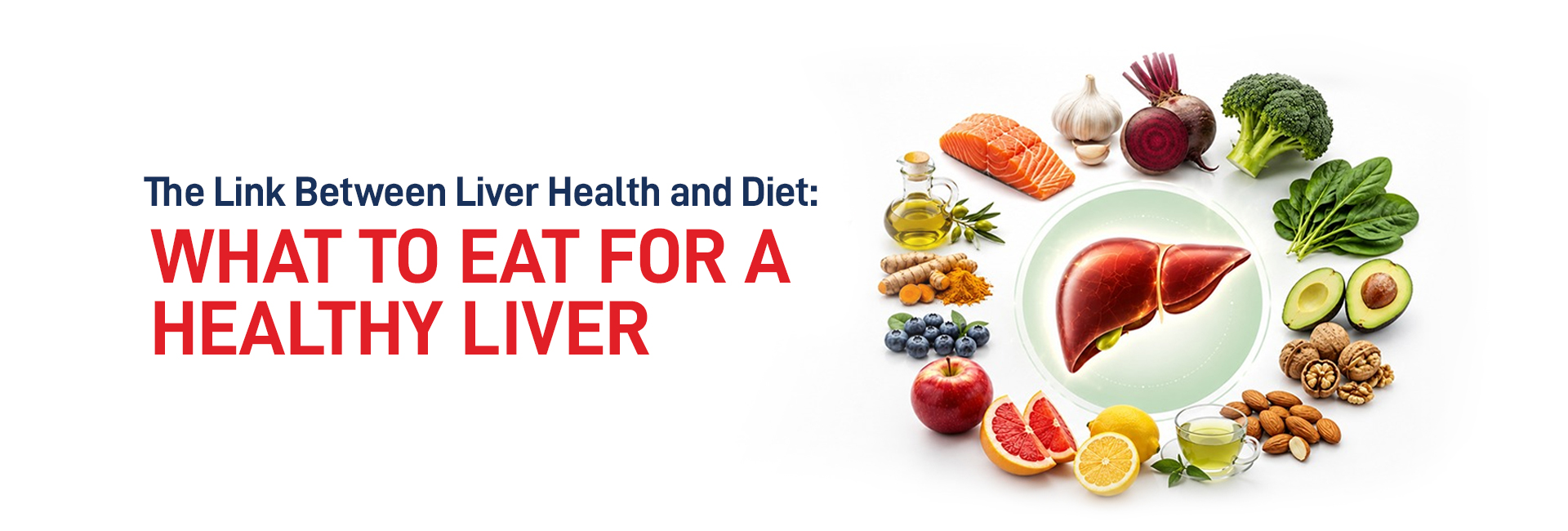
Spinach, methi, drumstick leaves, and other greens are rich in antioxidants and fiber, which help reduce the fat and inflammation load on your liver.
Swapping some white rice and maida for millets, oats, or whole wheat helps stabilize blood sugar — so your liver isn't constantly asked to convert excess sugar into stored fat.
Eggs, fish, chicken, paneer, and legumes like moong and chana support liver cell repair and help maintain muscle mass, which plays a role in metabolic health.
Walnuts and flaxseeds contain healthy fats linked to better liver enzyme levels — a small daily addition with real backing.
Unsweetened coffee, in moderation, has consistently been associated with better liver outcomes in research.
Proper hydration supports your liver's detoxification processes. Simple, often overlooked, and costs nothing.
Foods That Strain Your Liver
The single biggest dietary driver of liver fat today. Cold drinks, energy drinks, and sweetened tea/coffee deliver fructose, which your liver converts into fat more directly than other sugars.
Chips, instant noodles, bakery items, and ready-to-eat food are typically high in refined carbs, unhealthy fats, and hidden sugar — a combination that adds up fast when eaten daily.
White rice, maida, and refined flour in large, frequent portions behave similarly to sugar once digested. This doesn't mean cutting them out completely — just being mindful of quantity and frequency.
Occasional fried food isn't the issue — daily deep-fried meals are, since they combine excess calories with inflammatory fats.
Even without a formal diagnosis, regular or binge drinking adds a direct burden on the liver's processing capacity, on top of any dietary factors already at play.
A Simple Liver-Friendly Day of Eating
This isn't a strict diet plan — it's a pattern. Liver health responds far more to consistent daily choices than to occasional perfect days or indulgences.
- MorningStart with water, not sugar or caffeine first thing. A breakfast with protein and fiber (eggs, idli with sambar, or oats) keeps blood sugar stable through the morning.
- Mid-morningA handful of nuts or a fruit instead of packaged snacks.
- LunchA plate built around vegetables, a protein source, and a moderate portion of rice or millet — not the other way around.
- EveningUnsweetened tea or coffee instead of a sugary drink.
- DinnerLighter than lunch, ideally a few hours before bed, with vegetables and protein taking up more space on the plate than refined carbs.
- All dayWater as the default drink — sugary drinks and juices as the rare exception, not the daily habit.
Beyond Food: Habits That Matter Just as Much
Diet is powerful, but it doesn't work in isolation. A few things directly amplify — or undo — dietary effort:
Even 30 minutes of daily walking measurably supports liver fat reduction, independent of diet alone.
Poor sleep affects insulin regulation, which directly influences how your liver stores fat.
Losing even 5–10% of body weight has been shown to meaningfully improve liver fat and inflammation.
Since fatty liver has no early symptoms, periodic screening — especially with diabetes, high cholesterol, PCOS, or a family history — is the only real way to catch it early.
Frequently Asked Questions
Can diet alone reverse fatty liver?
In many early-stage cases, yes — diet combined with weight loss and regular movement is currently the most well-supported way to reduce liver fat. There's no approved medication that reverses fatty liver on its own, which makes diet genuinely central to treatment, not just prevention.
Is ghee bad for the liver?
Not inherently — the real issue is total quantity and overall dietary pattern, not any single ingredient. Moderate use as part of a balanced diet is generally not a concern for most people.
Do I need to completely avoid rice and sugar?
No — complete avoidance usually isn't necessary or sustainable. What matters more is portion size, frequency, and pairing refined carbs with fiber and protein rather than eating them alone.
Are eggs safe for liver health?
Yes, for most people. Eggs are a good source of protein and generally don't pose a liver risk for the majority of the population.
How quickly can diet changes show results?
Many people see measurable improvement in liver fat on a repeat ultrasound within a few months of consistent changes — though this varies by individual and how much change is made.
Is coffee actually good for the liver, or is that a myth?
It's genuinely one of the better-supported claims in liver health — moderate, unsweetened coffee consumption has repeatedly been associated with better liver enzyme profiles in research.
Can a thin person still have liver damage from diet?
Yes. Body weight alone doesn't rule out fatty liver — internal fat accumulation can occur even in people who appear slim, which is why diet quality matters regardless of visible weight.
This blog is for general awareness and doesn't replace personalized medical advice. If you have concerns about your liver health or haven't had a checkup recently, consult a doctor for guidance suited to your specific health profile.
Have questions about your own liver health or a recent report?
Book a consultation with our team at Saraswathy Multispeciality Hospital — we're here to help you understand it, step by step.