


Small Plate Changes. A Lifetime of Better Health.
A National Nutrition Week Guide from Dr. Kennedy's Saraswathy Multispeciality Hospital, Madipakkam
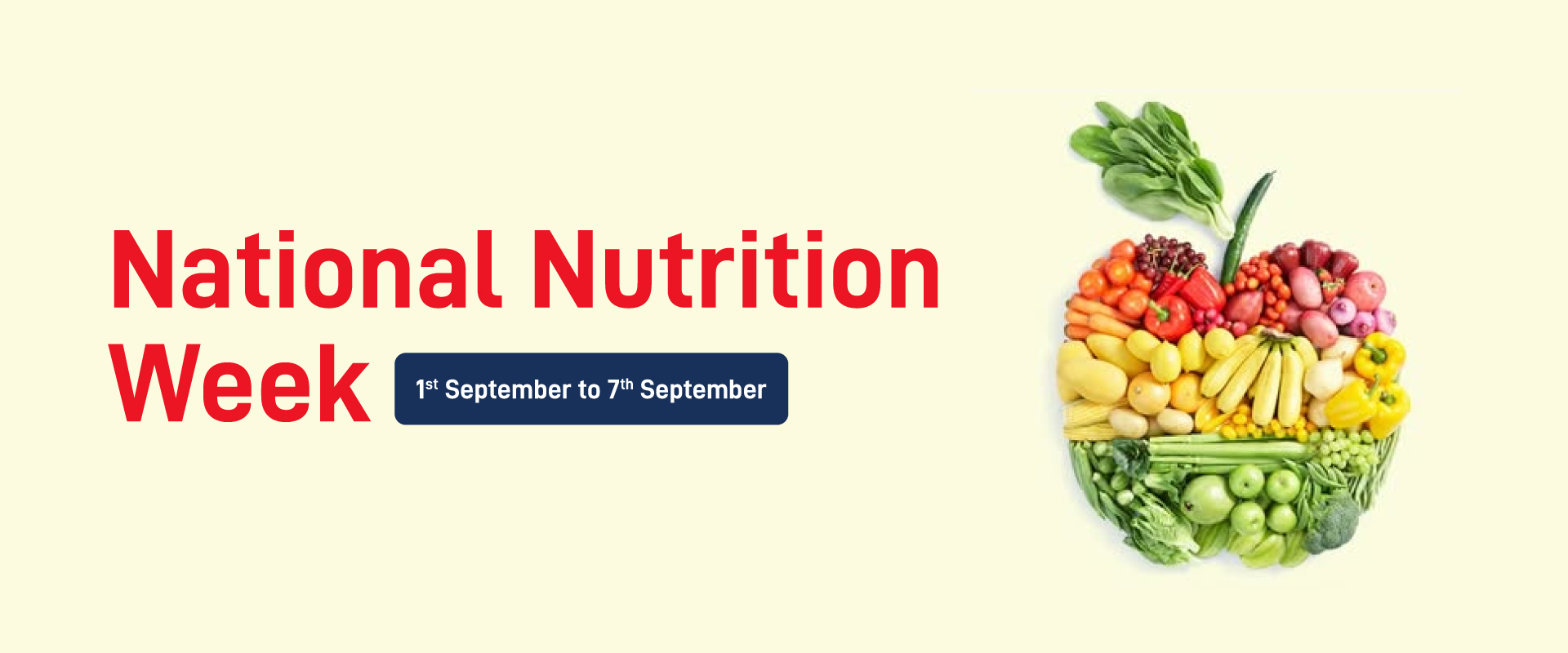
Every September, India pauses to talk about what's really on our plates. National Nutrition Week, observed from September 1st to 7th, is dedicated to building public awareness around diet, health, and the strong link between the two. It's not just for people managing a condition — it's for every family deciding what goes into tomorrow's breakfast.
At our hospital in Madipakkam, we see the same pattern year after year: most of the chronic conditions our physicians manage — diabetes, high blood pressure, thyroid issues, digestive complaints — are shaped as much by daily plates as by prescriptions. Rather than trying to overhaul everything at once, here's a breakdown of the areas that matter most — and the small, manageable changes that are far more likely to stick.
Understanding a Truly Balanced Diet
The easiest way to check any meal isn't a chart — it's your own plate. A balanced meal includes vegetables and fruit, whole grains or millets, a protein source, and a small portion of dairy, roughly in that order of quantity.
A simple way to check any meal: does it include all four groups?
- Vegetables & fruit — should take up the largest share of the plate
- Grains & millets — a moderate portion, ideally rotated rather than rice at every meal
- Protein (dal, egg, fish, paneer) — a consistent smaller portion at each meal
- Dairy/curd — a small daily portion
Most Indian meals lean heavy on grains and light on the rest. If your typical plate is missing one or two of these groups, that's the easiest place to start — not a complete diet overhaul.
Tip: Fill half your plate with vegetables before adding rice or roti.
Hydration, the Most Overlooked Nutrient
Water affects digestion, energy, skin, and even how hungry you feel. Most adults underestimate how little they actually drink on busy days — and mild dehydration is often mistaken for fatigue or hunger.
Tip: Keep a bottle at your desk — most people drink more simply from visibility, not willpower.
Protein Myths and Facts
Protein isn't only for gym-goers. Dal, curd, eggs, fish, and paneer all count, and most Indian diets run lower on protein than assumed — especially for vegetarians. Adequate protein supports everything from immunity to muscle maintenance as we age.
Tip: Add one extra spoon of dal or a boiled egg to a meal you'd normally skip protein in.
Fibre and Gut Health
Low fibre intake is one of the most common findings in general check-ups. Whole fruits, vegetables with skin, and millets do more for digestion than any supplement — and steady fibre intake is linked to better long-term metabolic health.
Tip: Swap white rice for a millet mix once a day.
Fibre and Gut Health
Low fibre intake is one of the most common findings in general check-ups. Whole fruits, vegetables with skin, and millets do more for digestion than any supplement — and steady fibre intake is linked to better long-term metabolic health.
Tip: Swap white rice for a millet mix once a day.
Sugar and Salt, the Quiet Contributors
It's rarely the sugar you add yourself — it's what's already in packaged food, sauces, and snacks. Hidden salt is just as common, especially in outside food, and adds up faster than most people realise.
Tip: Check the label on one packaged item you eat daily — you may be surprised.
Nutrition Across Life Stages
What "healthy" looks like changes significantly depending on age and life stage:
- Children & teens: Regular meals matter more than perfect ones. Focus on iron, calcium, and protein for growth, and limit packaged snacks during school years.
- Pregnancy & new mothers: Folic acid, iron, and calcium needs rise sharply. Portion size matters less than nutrient density — this is a conversation worth having with your obstetrician early.
- Working adults: Irregular eating, excess salt from outside food, and low fibre are the most common patterns we see. Small swaps — home-cooked lunch twice a week — go furthest.
- Older adults: Protein and calcium needs stay high even as appetite reduces. Smaller, more frequent, nutrient-dense meals are often more effective than three large ones.
Building Habits That Actually Last
The goal isn't a perfect week — it's one or two changes you can still be doing in December. Pick the smallest change that feels easiest to start with, and stay consistent with just that before adding another.
Tip: Don't try to fix everything at once. One consistent habit beats seven abandoned ones.
Three Nutrition Myths, Busted
- Myth: Ghee and oil should be avoided completely for a healthy diet. Fact: Fats in moderation are essential for absorbing vitamins A, D, E, and K. The goal is portion control, not elimination.
- Myth: White rice at every meal is fine as long as portions are small. Fact: Rotating grains — including millets like ragi, jowar, or bajra — improves fibre and micronutrient intake compared to relying on one grain daily.
- Myth: Skipping breakfast helps reduce daily calorie intake. Fact: Skipping meals frequently leads to larger, less controlled meals later in the day, and can affect concentration and metabolism over time.
Not Sure What Your Plate Should Actually Look Like?
Our dieticians at Dr. Kennedy's Saraswathy Multispeciality Hospital, Madipakkam, can build a nutrition plan around your specific health profile — not a generic chart. Book a consultation with our team and take the first step toward a plate that actually works for you.
This article is intended for general awareness and does not replace personalised medical advice. Please consult your physician for guidance specific to your health condition.